
Part 2 - The Readiness Gap: A Generation Emotionally Unready for the Workforce
Echo Number 8: Unstable? Unwilling? No, unhappy.

In the first part of this series, we uncovered a quiet but profound developmental crisis affecting a generation raised in the shadow of social media and pandemic isolation. We have continued to explore how a relentless digital environment disrupts emotional regulation, identity formation, and authentic selfhood, creating what I term the “Fourth Person”—a fragmented, performative digital self that struggles to find grounding in offline reality. This series further explores the Fourth Person through developmental delay, which is more than individual struggle; it is a systemic issue reshaping the transition from adolescence to adulthood.
As these young adults enter the workforce, they often face misunderstandings, stigma, and barriers, labeled unstable, unmotivated, or underprepared. But the reality beneath these labels is far more complex. This generation is emotionally unready not because of personal failings but due to the lingering developmental delays fostered by years of social media overexposure, emotional dysregulation, and isolation.
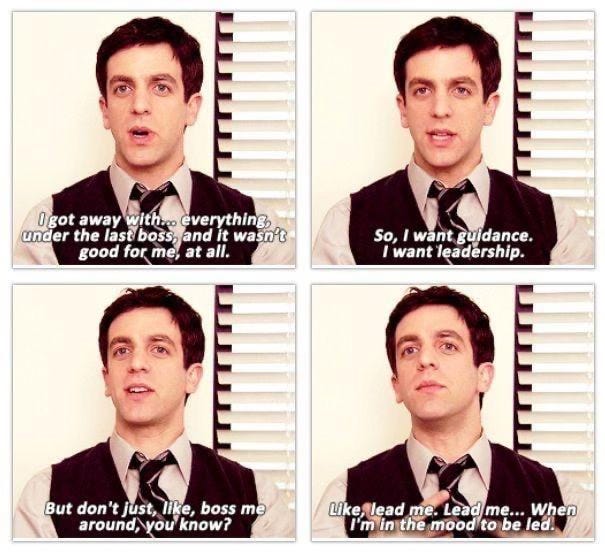
NBC, The Office
Emotional Unreadiness in the Workplace
Many employers and managers report that young workers struggle with consistent attendance, focus, resilience to stress, and effective communication.
Traditional expectations for emotional maturity; handling criticism, managing frustration, sustaining motivation clash with the lived realities of youth whose brains and emotional systems are still maturing in disrupted digital contexts. The “Fourth Person,” ever attuned to online validation yet detached from authentic self-awareness, finds it difficult to navigate real-world social dynamics and workplace stress without the buffering mechanisms that social media previously provided.
Adding to this challenge is the modern culture of instant gratification that young people have been immersed in since childhood, where progress, success, and reward often come quickly, visibly, and publicly, especially online. In contrast, many workplaces function with a different rhythm: progress can be slow and incremental, rewards are often subtle or delayed, and feedback tends to focus disproportionately on mistakes rather than on positive reinforcement.
This discrepancy creates frustration and confusion. While older generations expect workers to accept that “work is work” and to develop thick skin regarding criticism, the reality is that developmental delays in emotional regulation make these environments feel overwhelming and infuriating to many young adults.
Their heightened sensitivity isn’t simply a weakness or lack of resilience; it’s a manifestation of disrupted growth. Consequently, work can feel like a constant battleground where the expected patience and grit clash with a developmental stage still learning how to manage disappointment, delayed reward, and ambiguous social cues.
Research in occupational health psychology links poor emotional regulation and stress tolerance—skills still developing in young adults—to higher rates of burnout and premature job quitting. Many young people today struggle to manage workplace criticism, delayed rewards, and ambiguous social dynamics, which can feel overwhelming when their emotional systems are still maturing in disrupted digital environments.
The Culture of Effortless Wealth
Adding to this challenge is a growing difficulty in accepting the fundamental reality that work, regardless of how engaging or fulfilling it is, is often a necessary obligation required to earn an income. Unlike the immediate gratification culture fostered by social media and digital platforms—where rewards and validation come quickly and visibly—traditional work demands patience, consistency, and perseverance even in mundane or frustrating tasks.
This gap in expectation means that many young workers find it hard to tolerate the “grind” or accept jobs as a means to an end rather than immediate sources of satisfaction. The lack of consideration or internalization that work is a responsibility essential for financial stability contributes to feelings of frustration, entitlement, or disengagement; additionally frustrated that they have to work to survive.
Compounding this frustration is the phenomenon where young people frequently look up from their phones, disappointed by the reality before them in contrast to the curated success of peers or young CEOs they see online, often their own age or younger, who appear to have already “made it.”
This discrepancy deepens feelings of inadequacy and disillusionment, feeding into the emotional flatness and disengagement characterized by the Gen Z stare. The stare becomes a physical manifestation of this internal conflict: a silent expression of discontentment with the world in front of them, as they grapple with the tension between digital ideals and real-world responsibilities.
The Role of Social Media Use During Work Hours
A significant but often overlooked factor in workforce readiness is the pervasive use of smartphones during work shifts. Unlike previous generations, many young employees grow up in environments where social media is not just leisure but lifeline - a constant source of social connection, identity affirmation, and emotional regulation, AKA iSoothe, or a pacifier. During shifts, phones become distractions but also tools for coping with anxiety, boredom, and social disconnection. However, this constant phone use has several cascading impacts:
Disrupted Attention and Performance: The habitual checking of feeds, messages, and notifications fragments attention, undermining focus on tasks. This “attention switching” reduces productivity and increases errors, especially in jobs requiring sustained concentration or customer interaction.
Exposure to Emotional Triggers: While scrolling, young workers are exposed to idealized, or distressing content, such as highlight reels of peers’ lives, political and social turmoil, or influencer drama, that can exacerbate emotional instability mid-shift. This emotional rollercoaster hampers workplace performance and increases the likelihood of burnout.
Lost Time and Reduced Engagement: Time spent on phones during shifts can accumulate significantly, resulting in lost work hours and decreased commitment to workplace roles. Over time, this erodes trust between employers and employees and complicates efforts to build professional responsibility.
Developmental Implications of Digital Overload on Workforce Success
From a developmental standpoint, these behaviours and challenges are not merely bad habits but showcase deeper emotional and cognitive delays. The neuroplasticity of adolescent and young adult brains means that years of navigating digital environments characterized by immediate gratification, social comparison, and performance anxiety hinder the development of executive functions crucial for workforce success: impulse control, sustained attention, emotional resilience, and social problem-solving.
This developmental interruption leaves many youth ill-equipped to meet workplace expectations. Employers may mistake these gaps for laziness or disinterest, but in truth, they are symptoms of a generation whose emotional and cognitive maturation has been hijacked by the digital landscape.
Addressing the Readiness Gap: Toward Structural and Cultural Reform
Bridging the emotional readiness gap in the modern workforce requires more than accommodation - it demands structural reform and cultural shifts that directly confront the role of smartphones in stunting development.
Zero-Phone Workplaces and Cognitive Respect: Phones must be removed from the centre of workplace culture. Their presence in meetings, on desks, or in back pockets creates an ambient distraction that erodes attention, stunts interpersonal development, and encourages compulsive dissociation from the task at hand. Young workers should not be coddled with “flexible phone use,” but guided through detoxified, focused environments that foster presence, stamina, and self-awareness. Meetings must be phone-free by default. The ability to engage in collaborative dialogue, take constructive feedback, and maintain attention through discomfort must be rebuilt from the ground up.
Early Intervention Through Policy: Society cannot expect emotionally mature adults if it allows the digital hijacking of emotional development in children. Age restrictions on smartphone ownership, meaning banning access for children under 16 or even 18, should be publicly debated and legislated. The brain’s critical period for emotional regulation, attention, and social learning is being disrupted by endless scrolling, algorithmic comparison, and dopamine-saturated habits formed before the prefrontal cortex has matured. By the time young people enter the workforce, many have never gone an hour without checking a screen. Reversing this damage must start early, with public education campaigns, parental training, and legal protections modeled after existing substance and media regulations.
Retraining Attention, Not Accommodating Avoidance: The dominant model of “wellbeing” in workplaces often fails by accommodating avoidance, offering mental health days or remote work as escape hatches, without addressing the cause: fractured attention and emotional underdevelopment. What’s needed instead is disciplined training in discomfort tolerance, emotional regulation, and face-to-face communication. It means offering mentorship through challenge, not protection from it.
Cultural Humility and Generational Realignment: Older generations must stop trying to become like Gen Z. Instead of adjusting work culture to mirror digital youth habits, we must invite youth to rejoin reality and to remember what it’s like to feel their feet on the ground, to look someone in the eyes without retreating into a device, to complete a task without validation. That requires humility and strength from adults: to stop apologizing for structure, and instead defend it.
No Judgement, No Shame, Only Change
The emotional unreadiness we see in today’s workforce is not just a generational quirk - it is the logical outcome of a society that handed dopamine machines to children before they could think critically, before they could regulate emotion, before they could experience the full spectrum of reality without digital mediation. To address this, we must stop treating phone dependency as inevitable or benign. It is neither.
Workplaces must become phone-free zones of recalibration. Schools must delay access to phones to protect brain development. Culture must re-teach the value of real-world discomfort, delay, and challenge, not as punishment, but as the soil in which self-respect, competence, and emotional maturity grow.
This is not a call to shame Gen Z, it is a call to shield them from forces they never consented to, and to offer something deeper than likes: the opportunity to become whole.
An excellent read Kayleigh. I love how you outline in a detailed manner the biopsychosocial mechanisms at play. It reminds me of Simon Sineks famous “ Millenials in the workplace” https://www.youtube.com/watch?v=5MC2X-LRbkE that went viral years ago. The key difference is that here we are a generation later and not only have we ( older generation)not listened to the experts but we continue to shame the younger generations for something they did not create.
Well thought out and a timely and needed discussion. Brain development is not an opinion-based discussion. It is biology. Some may remember ‘coffee breaks’ at work. Perhaps access to social media should be handled the same way. Great article.